.png)
Scalp Health 101: Educating Your Clients on the Importance of Deep Cleansing


The Foundation Your Clients Are Overlooking
Ask your clients about their skincare routine and they'll list cleansers, toners, serums, and weekly masks without hesitation. But ask them about their scalp care? Most draw a blank. Here's the uncomfortable truth: the scalp is skin: and it's likely the most neglected skin on their entire body.
As salon owners, you're positioned to change this narrative. Deep cleansing and hydration isn't just another trendy add-on service; it's the foundation of genuine hair health. When you educate your clients on what's actually happening beneath their hair, you're not just selling a treatment: you're offering them the key to stronger, healthier hair growth that lasts.
What's Actually Happening Up There?
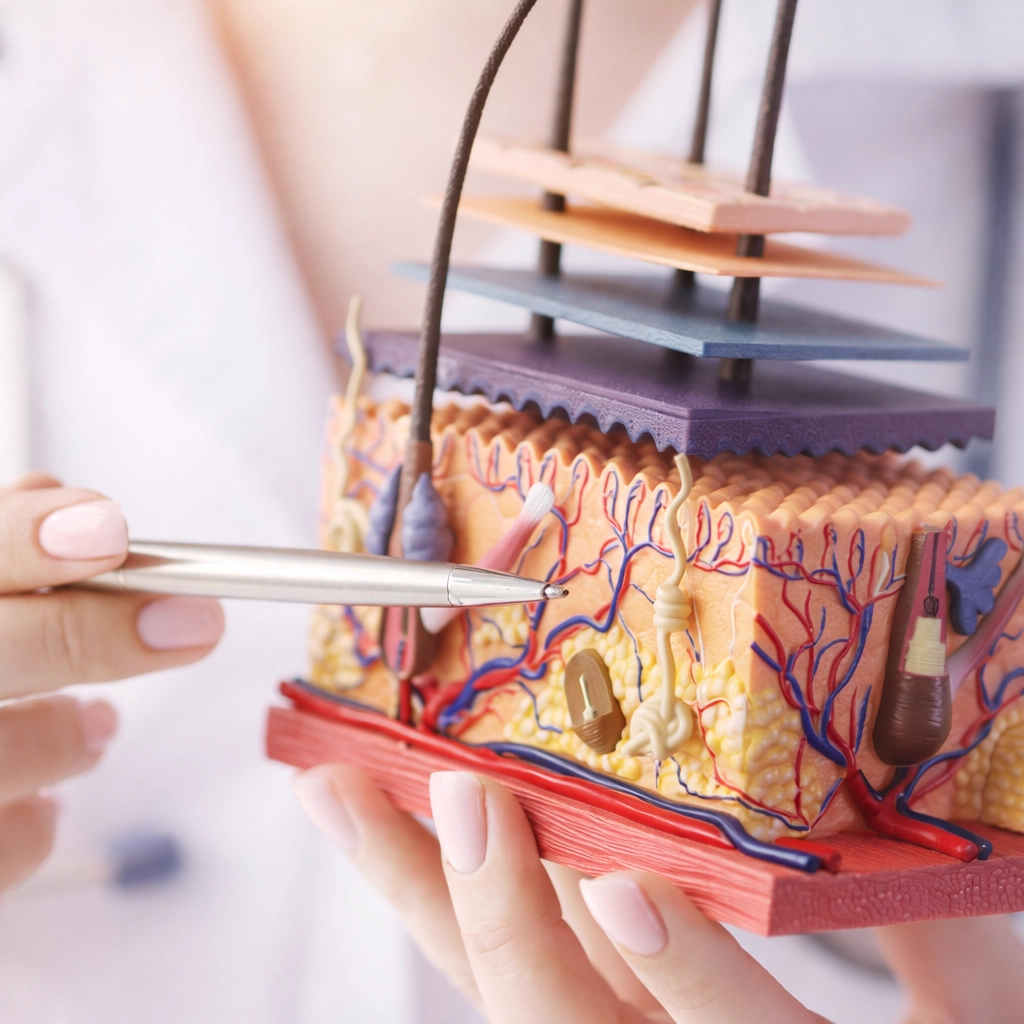
Let's start with the science, simplified. Your clients' scalps are working overtime every single day. Sebaceous glands produce natural oils to protect the scalp and hair. Dead skin cells shed regularly, just like on facial skin. Add in daily styling products, dry shampoo, environmental pollutants, sweat from exercise, and even hard water minerals: and you've got a recipe for congestion. This kind of environment creates the origins of certain scalp conditions. Just like your face, scalps have conditions and can be categorised broadly into dry/sensitive, oily, combination, and hair loss.
This buildup doesn't just sit on the surface looking harmless. It accumulates around hair follicles, creating a barrier that blocks essential nutrients and oxygen from reaching the roots. Over time, this congestion can lead to inflammation, irritation, and compromised follicle function. The result? Hair that grows slower, thinner, and weaker than it should.
Think of it this way: if you never exfoliated your face, you'd expect clogged pores, dullness, and breakouts. The scalp operates on the same principle: except the consequences affect not just appearance, but actual hair growth and retention.
The Buildup Your Clients Can't See
Here's where your expertise becomes invaluable. Most clients genuinely don't know what's accumulating on their scalps because they can't see it. This is where scalp analysis becomes your most powerful educational tool.
When you perform a scalp scan during consultation, you're revealing a hidden world. Through magnification, clients can see their own follicles, product residue clinging to hair shafts, sebum plugs blocking follicle openings, and dead skin cell accumulation they never knew existed. It's the visual proof that transforms skepticism into commitment.
The most common types of buildup include:
Product residue: Silicones, oils, and styling agents that aren't fully removed by regular shampooing: especially for clients using multiple products daily or co-washing without clarifying.
Excess sebum: Overactive oil production that hardens around follicles, often triggered by stress, hormones, or ironically, over-washing that strips natural oils and causes rebound oil production.
Dead skin cells: Natural shedding that becomes problematic when cells don't shed properly, instead accumulating and mixing with oils to form a sticky film.
Environmental pollutants: Dust, smoke, pollution particles that settle on the scalp and bond with oils, creating a toxic layer that's difficult to remove with standard cleansing.
Hard water minerals: Calcium and magnesium deposits that build up over time, leaving hair feeling rough and the scalp congested.
Benefits You Need to Communicate Clearly
Your clients need to understand the "why" behind deep cleansing: not just the "what." They also need to discover what scalp condition or scalp type they have to continue to work on their scalp health.
Here's how to frame the benefits in ways that resonate with their actual concerns:
It creates the optimal environment for growth: Unclogged follicles mean hair can grow without obstruction. Think of it as clearing weeds from a garden so flowers can flourish. When you remove impurities through deep cleansing, you're literally making room for healthier, fuller hair to emerge.
It improves circulation where it matters most: The massage component of professional scalp treatments isn't just relaxing: it's therapeutic. Increased blood flow delivers fresh oxygen and nutrients directly to follicle roots, supporting the growth phase and helping prevent premature shedding.
It prevents the cascade of scalp conditions: Dandruff, scalp acne, itchiness, inflammation: these aren't just annoyances. They're signs of an imbalanced scalp environment. Deep cleansing removes the bacteria, excess oil, and irritants that trigger these conditions before they escalate into chronic problems or associated hair loss.
It rebalances oil production naturally: Clients often get trapped in a cycle: oily roots lead to frequent washing, which strips natural oils, which triggers the scalp to produce even more oil. Deep cleansing breaks this cycle by thoroughly removing buildup while nourishing the scalp, allowing sebum production to normalise over time.
It maximises their investment in hair care: Here's something most clients never consider: when the scalp is congested, expensive treatments and products can't penetrate effectively. They're literally washing money down the drain. A properly detoxified scalp absorbs nutrients from masks, oils, and treatments exponentially better, meaning they'll actually see the results they're paying for.
It delivers immediate visual results: One of the most satisfying aspects of deep cleansing? The instant gratification. Hair feels lighter, looks shinier, and has noticeably more volume: often after just one treatment. This immediate feedback helps clients understand the long-term value.
When to Recommend Deep Cleansing
Not every client needs the same frequency of deep cleansing treatments. Your scalp analysis helps you make personalised recommendations based on actual scalp conditions, not guesswork.
Consider recommending more frequent treatments for clients who:
Use multiple styling products daily, especially those containing silicones or heavy oils
Exercise regularly and experience significant scalp perspiration
Have naturally oily scalps or are dealing with seborrheic dermatitis
Live in high-pollution urban environments
Notice their hair losing volume or feeling heavy despite regular washing
Experience persistent itchiness, flaking, or scalp sensitivity
Colour or chemically treat their hair regularly
Use dry shampoo as a daily habit rather than an occasional solution
For maintenance, quarterly deep cleansing treatments work well for most clients. Those with specific concerns may benefit from monthly sessions initially, then transitioning to maintenance frequency once scalp health improves.
Making the Science Visual and Tangible
The most successful client education happens when you move beyond words to visual demonstration. This is where investing in proper scalp scan technology transforms your consultation process.
Before any treatment, capture images of the client's scalp condition. Show them exactly what you're seeing: the congestion around follicles, the product buildup, the inflammation. Then, after the deep cleansing treatment, scan again. The dramatic difference in clarity, follicle health, and overall scalp appearance becomes undeniable proof of the treatment's efficacy.
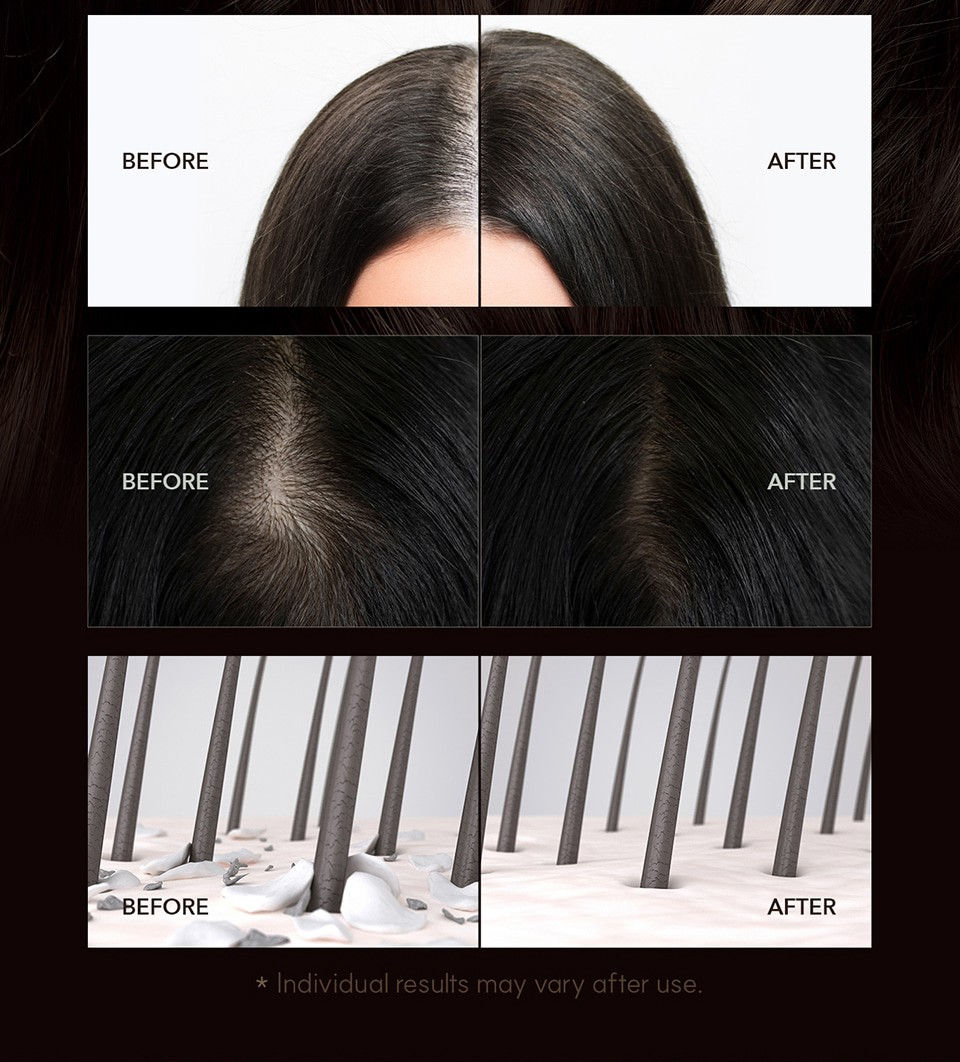
This before-and-after approach does several things simultaneously: it educates the client about their unique scalp condition, it demonstrates your expertise and attention to detail, it provides visual justification for the service investment, and it creates a baseline for tracking improvement over time.
The Professional Products That Make the Difference
Deep cleansing requires more than good intentions: it demands professional-grade formulations designed for thorough detoxification without causing damage or stripping. The exfoliating scalers and treatments you choose become part of your educational message.
Explain to clients that professional products differ fundamentally from retail options. They're formulated with precise pH levels to respect the scalp's natural barrier, they contain active ingredients at therapeutic concentrations, and they're designed to work synergistically with professional techniques like steam and massage.
When clients understand that the products being applied during their treatment aren't available in shops: and that the results they're experiencing require this level of formulation: they begin to perceive genuine value rather than seeing it as an expensive shampoo.
Building Long-Term Scalp Health Literacy
Your role extends beyond the treatment chair. You're educating clients to become better stewards of their own scalp health between appointments.
Recommend they pay attention to how their scalp feels: itchiness, oiliness, tightness: rather than waiting for visible problems. Encourage them to examine their hairbrush regularly; excessive buildup on the brush indicates buildup on the scalp. Suggest they use clarifying shampoos at home periodically, while explaining these complement rather than replace professional deep cleansing.
Most importantly, help them understand that scalp health isn't a destination but an ongoing practice. Just as they wouldn't expect one facial to solve all skin concerns permanently, scalp treatments work best as part of a consistent care routine.
The Investment in Education Pays Dividends
When you take the time to educate clients properly about scalp health and deep cleansing, you're not just selling a service: you're building trust, demonstrating expertise, and creating clients who understand value beyond price.
They become advocates for their own hair health, more likely to commit to regular treatments because they understand the science behind the recommendation. They refer friends and family because they can articulate exactly why the treatment matters. And they stop price-shopping, recognising that not all "scalp treatments" are created equal.
Deep cleansing isn't a trend that will fade: it's fundamental biology. The scalp needs proper cleansing just as urgently as facial skin, perhaps more so given the density of follicles and the constant exposure to products and environmental stressors.
Your clients are walking around with congested scalps right now, wondering why their expensive shampoos aren't delivering results, why their hair feels limp, why growth seems to have stalled. You have the knowledge, the tools, and the treatments to change that narrative completely.
Start the conversation. Show them what you see through scalp analysis. Explain the science in terms they understand. And watch as clients transform from skeptical to committed: because you've given them something most salons never do: genuine education about what's happening beneath their hair and how professional deep cleansing creates the foundation for the healthy, vibrant hair they've been chasing.
Ready to elevate your scalp health education and service offerings? Explore our complete range of professional head spa equipment, training, and products at headspasolutions.co.


Comments